Why Commercial Small Animal Control Requires Professional Expertise
People seeking commercial small animal control aim to safely and effectively remove pests, and local service providers have the expertise to handle these specialized situations professionally.
Understanding why commercial small animal control requires professional expertise is essential for property owners facing issues with pests such as rodents, raccoons, or other wildlife. These animals can cause significant damage to buildings, electrical systems, and stored goods, making swift and effective removal crucial. Local service providers specializing in commercial small animal control possess the practical knowledge needed to identify the specific species involved, assess the extent of the problem, and implement targeted solutions that minimize risks and prevent future infestations. Staying informed about these reasons helps property owners make confident decisions when seeking assistance to protect their investments.
For property owners in the area, exploring this topic highlights the importance of working with experienced contractors who understand the complexities of small animal control in commercial settings. Proper handling often involves more than just trapping; it requires understanding local regulations, ensuring humane treatment, and implementing long-term exclusion strategies. Local pros offer the expertise necessary to navigate these challenges efficiently, providing tailored solutions that address the unique needs of each property. Continuing to read can help clarify why professional involvement is a wise choice when dealing with small animal issues on commercial premises.
- Commercial building inspections for small animal infestations are often needed when signs of pests appear, and local contractors employ specialized techniques to accurately identify the species and extent of the problem. Wildlife exclusion services are required when animals have gained access to structures, and experienced service providers use expert methods to seal entry points effectively. Removal of small animals from commercial properties is necessary when infestations threaten operations, with local pros applying safe and humane removal practices. Ongoing prevention measures are important for maintaining pest-free environments, and skilled contractors develop tailored strategies to prevent future issues. Damage repair related to small animal activity is needed when structural or electrical components are compromised, and professionals handle repairs with precision to ensure long-term protection.
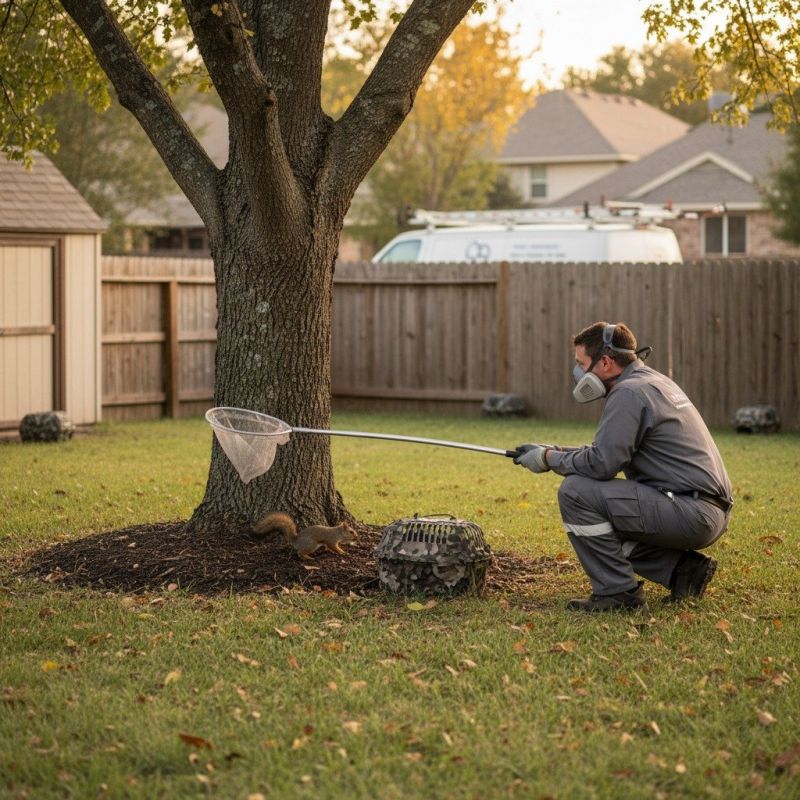
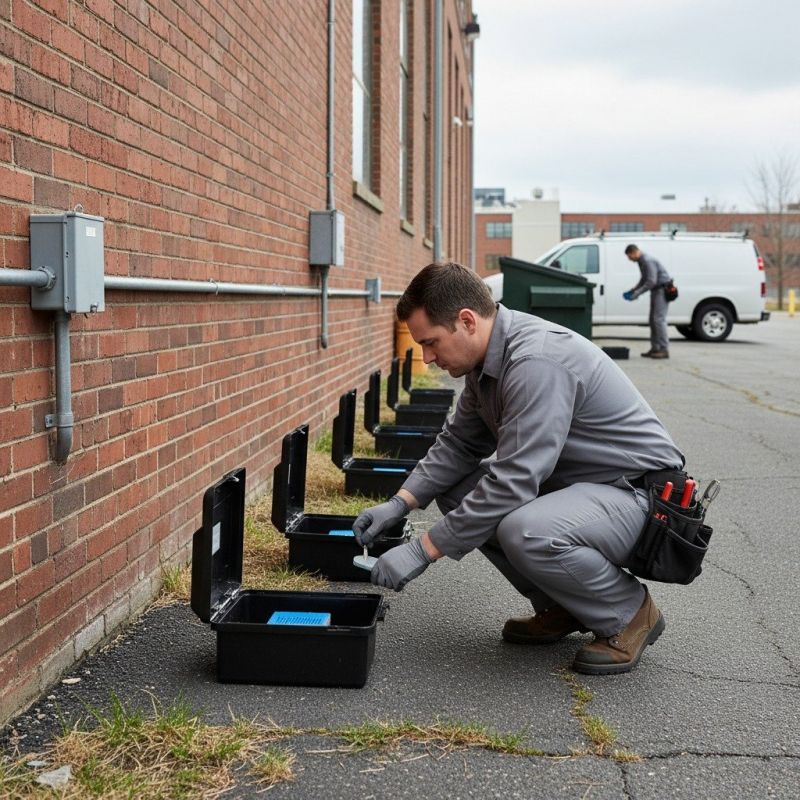
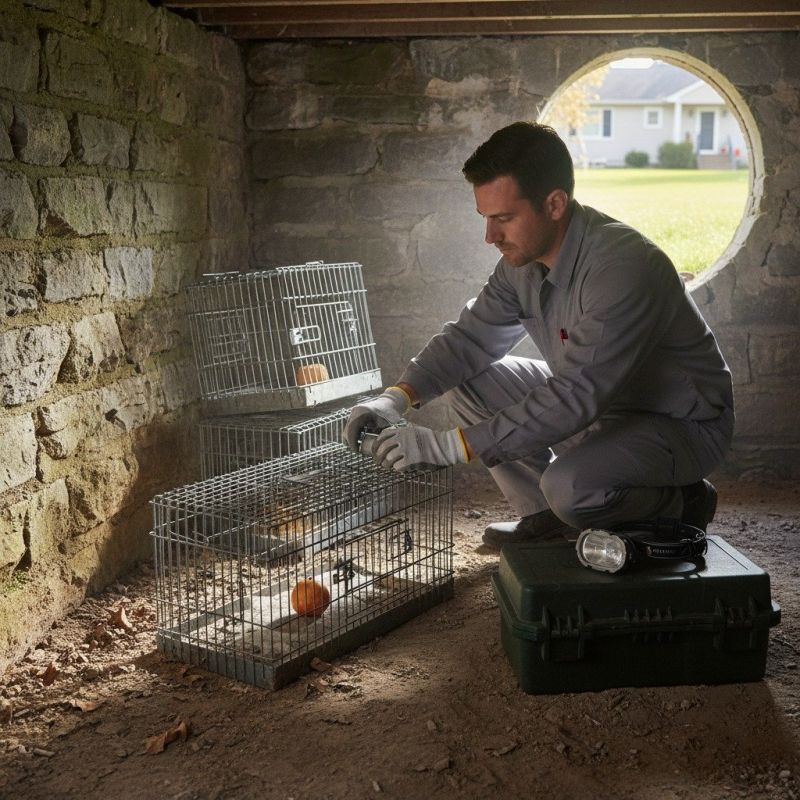
When people search for why commercial small animal control requires professional expertise, they often want to understand the complexities involved in managing pests like rodents, raccoons, or other small animals on business properties. These searches typically stem from concerns about property damage, health risks, or disruptions caused by these animals. Business owners, property managers, and facility operators recognize that dealing with small animal infestations is more than just a matter of removal; it involves understanding animal behavior, access points, and the potential for recurring issues. They seek out information to determine whether they should attempt DIY solutions or rely on experienced professionals who understand the nuances of commercial pest control.
Problems related to small animals on commercial properties can range from structural damage to sanitation hazards. Small animals often find ways into buildings through tiny openings, making it difficult to fully eliminate their presence without proper inspection. Plans to address these issues might include sealing entry points, setting traps, or implementing ongoing monitoring programs. Commercial properties such as warehouses, retail centers, office complexes, and hospitality venues are particularly vulnerable due to their size and access points. These properties often have extensive landscaping or storage areas that provide ideal hiding spots and nesting sites for small animals, emphasizing the need for specialized expertise to develop effective, long-term solutions.
Understanding the types of properties that come up in small animal control projects helps clarify why professional involvement is essential. Large-scale commercial facilities like distribution centers or industrial parks tend to face more complex challenges because of their size and the variety of animal access points. Retail outlets and restaurants may have strict sanitation standards that require discreet, efficient removal methods. Office buildings and multi-unit complexes also need tailored strategies to prevent animals from recurring and causing further issues. Local contractors with experience in commercial small animal control are equipped to assess these properties thoroughly, identify vulnerabilities, and implement targeted solutions that reduce the risk of future infestations.
For property owners and managers, recognizing that small animal control on commercial sites is a specialized task underscores the importance of working with experienced service providers. These local pros understand the unique challenges posed by different property types and can develop customized plans to address the root causes of infestations. Their expertise ensures that the removal process is thorough, minimizing damage and health hazards while preventing future problems. Engaging with knowledgeable professionals helps property owners maintain safe, clean, and secure environments, making it clear why commercial small animal control requires the skills and experience that only seasoned experts can provide.
Wildlife exclusion projects - professionals use specialized tools and planning to effectively prevent small animals from entering commercial buildings, similar to the strategies needed in small animal control.
Rodent proofing services - these projects require precise sealing and inspection techniques that are essential in managing small animal infestations in commercial settings.
Building inspection and damage assessment - identifying entry points and structural vulnerabilities aligns with the skills used in small animal control to ensure thorough exclusion.
Pest removal and habitat elimination - removing small animals and their nesting sites involves careful planning and execution, similar to commercial small animal control efforts.
Property maintenance and repair - repairing entry points and reinforcing structures are critical tasks that support effective small animal exclusion strategies.
Wildlife trapping and relocation - trapping projects require knowledge of animal behavior and humane handling, which are key components in professional small animal control services.
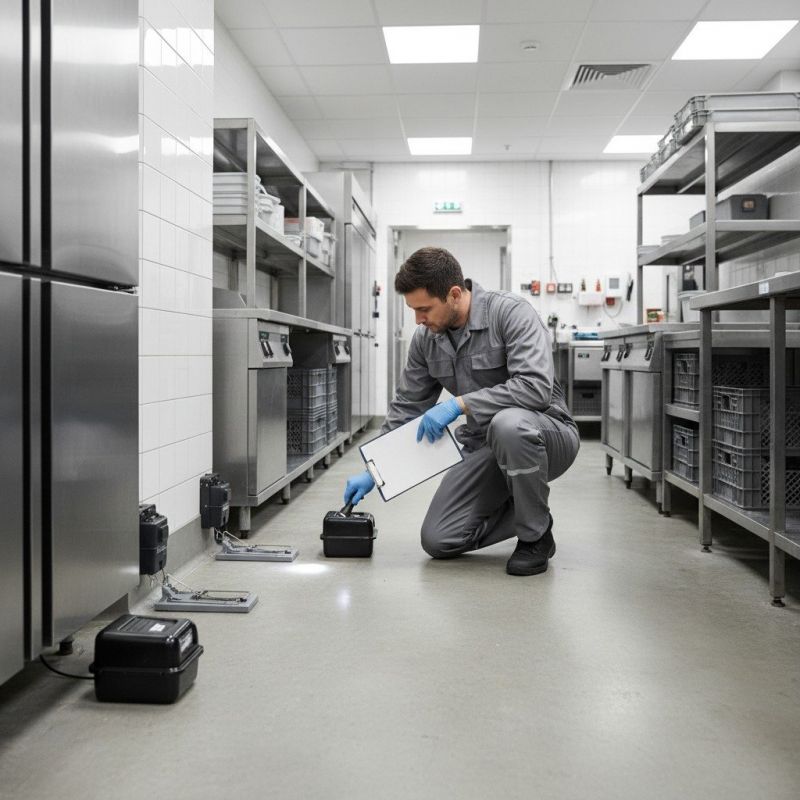
When evaluating service providers for commercial small animal control, it is important to consider their experience with similar projects. Local contractors who have a proven track record handling commercial properties or large-scale animal control issues are more likely to understand the complexities involved. They can provide insights into effective strategies and potential challenges specific to your type of property or industry, ensuring that the chosen approach is both efficient and appropriate for the situation.
Clear written expectations are essential when comparing local pros for commercial small animal control services. A reputable service provider should be able to outline the scope of work, methods used, and any guarantees or warranties in a detailed, written format. This clarity helps prevent misunderstandings and ensures that all parties are aligned on what the project entails. It also provides a reference point for evaluating the professionalism and transparency of each contractor, making it easier to distinguish between those who are well-prepared and those who may not meet the necessary standards.
Reputable references and good communication are key factors to consider when selecting local contractors for commercial small animal control. Service providers with positive references from previous clients demonstrate a history of reliable performance and satisfactory results. Additionally, clear and responsive communication throughout the process indicates a contractor’s commitment to understanding client needs and providing timely updates. These qualities help ensure that the project progresses smoothly and that any questions or concerns are addressed promptly, ultimately contributing to a successful and effective small animal control solution.
Property owners often search for why commercial small animal control requires professional expertise when they are planning practical projects around their homes and businesses. Local pros provide Commercial Small Animal Control services for everyday jobs and straightforward project options.
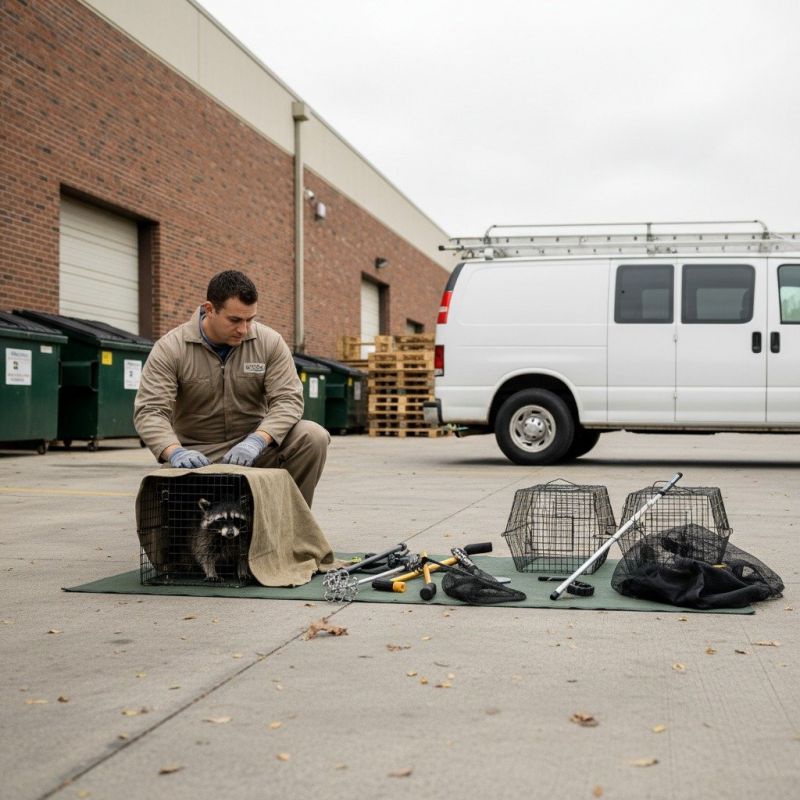
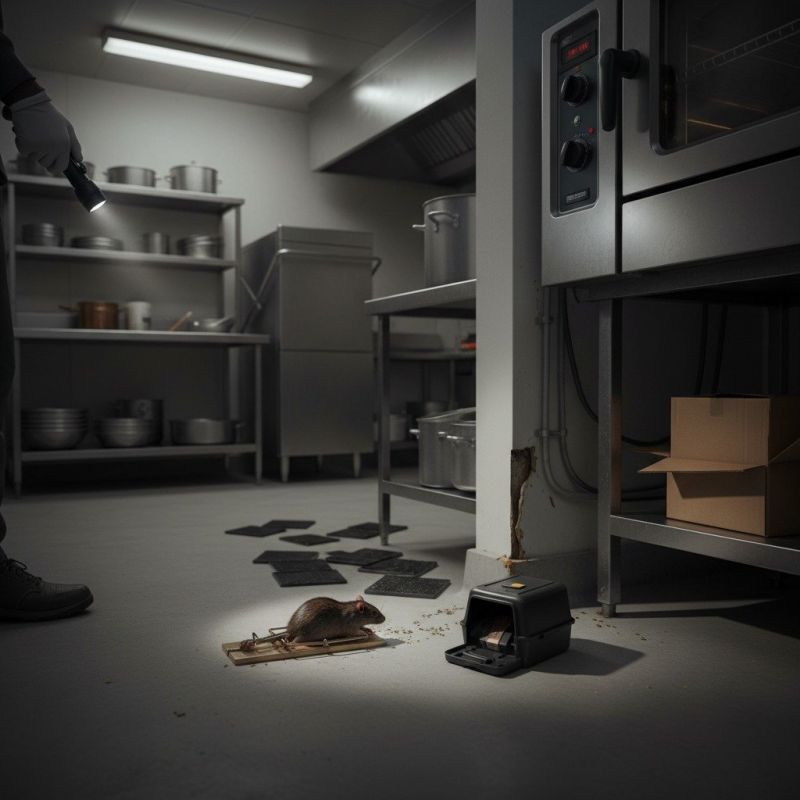
Commercial small animal control often involves addressing complex situations that can arise unexpectedly on a property. For example, property owners might discover rodents or other small animals nesting in difficult-to-reach areas, or notice signs of infestation that threaten the integrity of the building or the safety of occupants. In these cases, relying on experienced local contractors ensures that the problem is handled effectively and efficiently, preventing further damage or health risks. Professional service providers understand how to assess the specific situation, identify the species involved, and implement targeted solutions that are safe and thorough.
Many property owners seek out commercial small animal control services because these issues can quickly escalate if not managed properly. Small animals can cause structural damage, create sanitation concerns, or even pose health hazards if left unchecked. Handling these situations without proper expertise can lead to ineffective treatments or unintended consequences. Local contractors who specialize in small animal control have the knowledge and skills to navigate the complexities of commercial properties, ensuring that the problem is resolved correctly the first time. This helps property owners maintain a safe, secure environment while avoiding the risks associated with amateur approaches.
Why is professional expertise important for commercial small animal control? Commercial small animal control requires specialized knowledge to identify different species, understand their behaviors, and apply effective removal methods safely and efficiently. Local contractors have the experience needed to handle complex situations and prevent future issues.
What risks are involved if untrained individuals attempt commercial small animal control? Without professional expertise, there is a higher risk of injury, ineffective removal, and property damage. Improper techniques can also lead to animal suffering or the animals returning, making professional services essential for proper management.
How do local service providers ensure the safety of commercial properties during animal control? Local pros are trained to assess the property thoroughly, identify entry points, and implement humane and effective removal strategies that minimize disruption and prevent damage or safety hazards.
Why is understanding local animal species important for effective control? Different regions have unique small animal populations, and local contractors understand these species' habits and habitats. This knowledge helps them choose the most appropriate and effective control methods.
How does professional expertise contribute to long-term solutions in commercial small animal control? Experienced service providers develop tailored strategies that address the root causes of infestations, reducing the likelihood of recurrence and ensuring the ongoing safety and integrity of the property.
Understanding pest behavior - local contractors can identify how different small animals behave and target their control strategies effectively.
Proper equipment and methods - professional service providers use specialized tools and techniques that property owners may not have access to or know how to operate safely.
Legal and safety considerations - experts ensure control measures comply with regulations and are safe for occupants, reducing liability risks for property owners.
Preventative strategies - experienced pros can advise on and implement measures that help prevent future infestations, saving time and effort in the long run.
If you are thinking about why commercial small animal control requires professional expertise for a property, this guide is meant to help you understand this topic, the typical project types, and how different options might fit your plans.
When you are ready, you can use the quote form on this page to share a few details about your project. From there, local pros can review the basics and follow up with options that match what you have in mind.